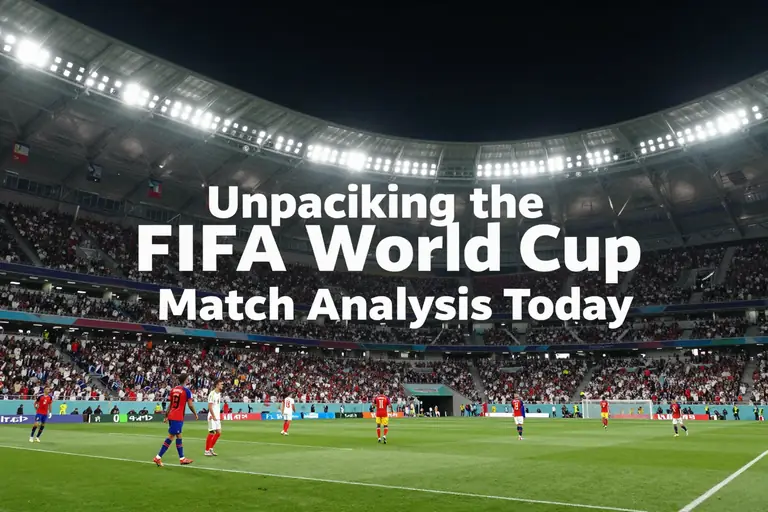

Understanding FIFA World Cup Football Trends
The FIFA World Cup is a global spectacle where football trends often emerge and evolve. Analysing these trends can offer insights into the sport’s direction, team strategies, and player development. From tactical shifts to the impact of data analytics, various elements contribute to how the game is played and won on the world stage.
Key areas of focus in FIFA World Cup football trends often include:
- Tactical Formations and Adaptations: How teams adjust their systems (e.g., from possession-based play to counter-attacking) throughout the tournament.
- Player Performance Metrics: The increasing reliance on data to evaluate individual and team contributions, such as expected goals (xG) and pressing intensity.
- Physical Demands and Conditioning: The impact of tournament format, travel, and recovery on player fitness and injury rates.
- Technological Integration: The influence of VAR (Video Assistant Referee) and goal-line technology on game outcomes and fairness.
- Emergence of New Footballing Nations: The rise of teams from non-traditional football powerhouses and their impact on global competitiveness.
Tactical Evolution in World Cup Football
Tactics in the FIFA World Cup are constantly evolving. Modern football sees a blend of traditional approaches with innovative strategies. For instance, the role of full-backs has expanded significantly, with many now acting as auxiliary attackers or even central midfielders in possession. The importance of a strong defensive block combined with rapid transitions has also become a prevalent trend.
Teams often adapt their tactics based on opponents, weather conditions, and even the stage of the tournament. A common trend is for teams to start conservatively in the group stages and gradually become more adventurous as they progress into the knockout rounds. The ability of coaches to implement flexible game plans and make in-game adjustments often proves crucial.
The Role of Data and Analytics
Data analytics has transformed how teams prepare and perform in the FIFA World Cup. Beyond basic statistics like shots on target or possession, advanced metrics now provide deeper insights. Expected goals (xG) helps evaluate the quality of scoring chances, while pressing metrics measure defensive intensity and effectiveness.
Coaching staffs use this data to:
- Scout opponents more effectively, identifying their strengths and weaknesses.
- Analyse their own team’s performance, highlighting areas for improvement.
- Customise training sessions to address specific tactical deficiencies.
- Inform player selection and substitution decisions during matches.
The integration of data has made football analysis more scientific, allowing for more objective assessments of performance.
Player Development and Global Impact
The FIFA World Cup showcases the pinnacle of player talent and often highlights emerging stars. Trends in player development include a greater emphasis on technical versatility, physical conditioning, and tactical intelligence from a young age. Players are expected to be proficient in multiple roles and adapt to various tactical systems.
The tournament also has a significant global impact, influencing football development in participating nations. Success or even strong performances can inspire new generations of players and lead to increased investment in youth academies and coaching infrastructure. This global exchange of footballing ideas and talent continues to shape the sport’s future.
What to Check on
When looking for the latest FIFA World Cup news, updates, and analysis, always verify the information directly on the platform. On Fifaworldcup, check the dedicated sections for news, match reports, and analytical articles. Look for official statements, tournament schedules, and detailed statistics that can help you understand the current trends and outcomes. Ensure you review the dates of any analysis to confirm its relevance to the most recent events.
For the biggest FIFA World Cup Football Updates, you can visit here.