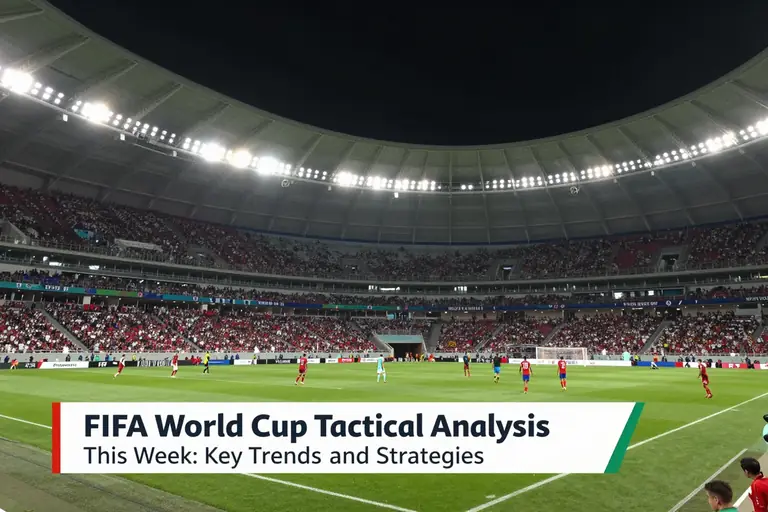

Latest FIFA World Cup Analysis and Insights: A Deep Dive
The FIFA World Cup stands as the pinnacle of international football, a quadrennial festival that transcends mere sport. It’s a global phenomenon, a cultural touchstone, and a source of immense national pride. Billions tune in to witness the drama unfold, the rivalries ignite, and the dreams of nations either realized or shattered. But beyond the captivating matches and the outpouring of emotion, the World Cup offers a rich tapestry of data, tactical innovations, and strategic complexities ripe for analysis. This detailed latest FIFA World Cup analysis and insights piece explores those complexities.
This article delves into the latest FIFA World Cup analysis and insights, providing a comprehensive exploration of the key trends, tactical shifts, standout performances, and unforgettable moments that defined the tournament. We’ll examine the evolving strategies employed by top teams, the impact of technological advancements, and the factors that contribute to both surprising upsets and dominant victories. Furthermore, we’ll look at the broader economic and social implications of this global event.
Key Trends and Tactical Innovations
Modern football is characterized by its relentless evolution, and the FIFA World Cup serves as a crucial testing ground for new ideas and tactical approaches. In recent tournaments, several key trends have emerged, reshaping the way the game is played at the highest level. The latest FIFA World Cup analysis and insights reveal these evolving strategies.
One of the most prominent trends is the increasing emphasis on tactical flexibility. Gone are the days of rigid formations and predictable game plans. Contemporary teams must be adaptable, capable of seamlessly transitioning between different formations and strategies depending on the opponent, the scoreline, and the overall flow of the match. This requires players with exceptional versatility, a deep understanding of tactical principles, and the ability to execute diverse roles effectively.
The rise of high-pressing and counter-pressing strategies is another defining characteristic of modern football. Teams are no longer content to passively defend their own half. Instead, they actively seek to win back possession high up the pitch, disrupting the opponent’s build-up play and creating immediate scoring opportunities. This approach demands immense physical fitness, relentless work ethic, and highly coordinated teamwork. Players must be able to press aggressively, close down passing lanes, and anticipate opponent’s movements with precision.
The integration of data analytics has revolutionized the way football is played and coached. Teams now analyze vast amounts of data to identify strengths and weaknesses, optimize training regimes, scout opponents, and make informed decisions during matches. This data-driven approach provides valuable insights into player performance, tactical effectiveness, and potential vulnerabilities. Coaches use this information to fine-tune their game plans, make strategic substitutions, and gain a competitive edge. GPS tracking, heatmaps, and passing network analysis are just a few examples of the tools used to gain a deeper understanding of the game. These tools are key to the latest FIFA World Cup analysis and insights.
Star Players and Standout Performances
The FIFA World Cup is a global showcase for the world’s most talented footballers. It’s a stage where players can etch their names into history, inspire future generations, and cement their legacy as legends of the game. The latest tournament was no exception, with several players delivering unforgettable performances that will be replayed and celebrated for years to come. Analyzing these performances is crucial to understanding the latest FIFA World Cup analysis and insights.
However, individual brilliance is only one piece of the puzzle. The most successful teams are those that can blend individual talent with a strong team ethic, a clear tactical plan, and unwavering commitment. This synergy between individual skill and collective effort is what separates the contenders from the pretenders.
Analyzing standout performances involves more than just looking at goals and assists. It requires a deeper understanding of a player’s impact on the game, their ability to influence their teammates, and their contribution to the overall tactical plan. Factors such as work rate, defensive contribution, leadership qualities, and decision-making under pressure are all crucial elements in assessing a player’s overall performance. The latest FIFA World Cup analysis and insights consider these factors.
Unexpected Upsets and Surprising Results
The FIFA World Cup is renowned for its unpredictable nature. It’s a tournament where underdogs can rise to the occasion, where dreams can be shattered in an instant, and where the unexpected is always lurking around the corner. The latest edition delivered its fair share of surprising results, reminding us that anything can happen in football. The latest FIFA World Cup analysis and insights always take these upsets into account.
These upsets often occur when smaller nations punch above their weight, defying expectations and challenging the established order. They demonstrate that passion, determination, and a well-executed game plan can overcome even the most formidable opponents. These teams often rely on a strong team spirit, tactical discipline, and a never-say-die attitude to compensate for a lack of individual star power.
Analyzing these surprising results provides valuable insights into the factors that contribute to success in high-pressure situations. It highlights the importance of mental fortitude, tactical adaptability, and the ability to capitalize on opportunities. It also serves as a reminder that football is a game of fine margins, where a single moment of brilliance or a costly mistake can be the difference between victory and defeat. The latest FIFA World Cup analysis and insights shed light on these margins.
The Importance of Squad Depth and Team Cohesion
The FIFA World Cup is a grueling tournament that tests the physical and mental resilience of players and teams. Matches are often played in hot and humid conditions, with minimal rest between games. Injuries, suspensions, and fatigue can take their toll, making squad depth a crucial asset. The latest FIFA World Cup analysis and insights emphasize this.
Teams with a strong squad depth are able to rotate players effectively, keeping them fresh and preventing burnout. They also have the option of making tactical substitutions to change the course of a match. A deep squad allows a team to maintain its level of performance throughout the tournament, even when faced with adversity.
Team cohesion is equally important. The most successful teams are those that play as a unit, with players understanding their roles and responsibilities and working together towards a common goal. This cohesion is built through countless hours of training and preparation, fostering a sense of camaraderie and trust among the players. It is often the intangible factor that separates good teams from great teams. The latest FIFA World Cup analysis and insights often point to team cohesion as a key factor.
Analyzing Winning Strategies and Tactical Masterclasses
Winning strategies in the FIFA World Cup are not solely based on individual brilliance but on a complex interplay of tactical planning, team cohesion, and adaptability. Coaches who can effectively analyze their opponents, identify their weaknesses, and devise a plan to exploit them are more likely to succeed. This requires a deep understanding of the game, a keen eye for detail, and the ability to communicate effectively with their players. Understanding these strategies is key to the latest FIFA World Cup analysis and insights.
Tactical masterclasses are often defined by innovative formations, clever substitutions, and a willingness to take risks. Coaches who are not afraid to deviate from the norm and try something different can often gain a crucial advantage. However, these risks must be calculated and based on a thorough understanding of the game and the opponent.
Analyzing winning strategies also involves looking at the defensive organization of a team, their ability to control possession, and their effectiveness in set-piece situations. These often-overlooked aspects of the game can be just as important as attacking prowess.
The Impact of VAR and Technological Advancements
The introduction of VAR (Video Assistant Referee) has had a significant impact on the FIFA World Cup, helping to reduce errors and ensure fairer outcomes. VAR is used to review key decisions, such as goals, penalties, red cards, and cases of mistaken identity. While VAR has been praised for its accuracy, it has also been criticized for slowing down the game and disrupting the flow of play. The latest FIFA World Cup analysis and insights address the impact of VAR.
The debate surrounding VAR is likely to continue, as football fans and analysts grapple with the balance between accuracy and entertainment. However, there is no doubt that VAR has changed the way the game is officiated.
Other technological advancements, such as goal-line technology and GPS tracking, have also played a role in enhancing the accuracy and efficiency of the game. These technologies provide valuable data and insights that can be used to improve player performance and inform tactical decisions.
The Future of Football: What’s Next?
The game of football is constantly evolving, and the latest FIFA World Cup analysis and insights provides clues as to what the future may hold. One trend that is likely to continue is the increasing emphasis on data analytics and technological advancements. Teams will continue to use data to gain a competitive edge, and new technologies will emerge that further enhance the accuracy and efficiency of the game.
Another trend that is likely to shape the future of football is the growing globalization of the sport. The FIFA World Cup is a global event that brings together nations from all corners of the world, and this global exchange of ideas and cultures is likely to continue to drive innovation and development in the game.
Ultimately, the future of football will depend on the passion, dedication, and innovation of the players, coaches, and fans who make the game so special. By embracing new technologies, fostering a culture of innovation, and promoting the values of fair play and sportsmanship, we can ensure that football continues to thrive for generations to come.
The Economic Impact of the World Cup
Beyond the sporting spectacle, the FIFA World Cup has a significant economic impact on the host nation and the global economy. The tournament generates billions of dollars in revenue through tourism, merchandising, and broadcasting rights. The latest FIFA World Cup analysis and insights also touches on the economic aspects.
The World Cup also provides a platform for host nations to showcase their culture, infrastructure, and investment opportunities to a global audience. This can lead to increased foreign investment and long-term economic growth. The construction of new stadiums and infrastructure projects associated with the World Cup can also create jobs and stimulate economic activity.
However, hosting the World Cup also comes with significant costs, including the construction of stadiums, infrastructure improvements, and security measures. It is important for host nations to carefully weigh the costs and benefits of hosting the tournament to ensure that it provides a net positive economic impact. Careful planning and management are essential to maximize the economic benefits and minimize the risks.
Fan Engagement and the Power of Social Media
The FIFA World Cup is a global event that captivates billions of fans around the world. Social media has played a significant role in enhancing fan engagement, allowing fans to connect with each other, share their opinions, and follow the tournament in real-time. Platforms like Twitter, Facebook, and Instagram have become virtual stadiums, where fans can celebrate victories, commiserate defeats, and debate the merits of different teams and players. The latest FIFA World Cup analysis and insights cannot ignore the role of social media.
Social media also provides a platform for players and teams to connect with their fans, share behind-the-scenes content, and build their brand. This has led to increased commercial opportunities for players and teams, as well as greater fan loyalty. Players can use social media to interact directly with their fans, share their thoughts and feelings, and provide insights into their lives both on and off the pitch.
The power of social media has also been harnessed by FIFA to promote the tournament, engage with fans, and create a sense of community. FIFA uses social media to share highlights, interviews, and behind-the-scenes footage, as well as to run contests and promotions. This has helped to make the World Cup more accessible and engaging for fans around the world.
In conclusion, the latest FIFA World Cup analysis and insights reveal a complex interplay of tactical innovation, individual brilliance, and unexpected events. Understanding these factors is crucial for appreciating the nuances of the game and predicting future trends. The latest FIFA World Cup analysis and insights also highlight the importance of squad depth, team cohesion, and adaptability in achieving success on the world stage. This detailed latest FIFA World Cup analysis and insights shows how the tournament continues to evolve. The latest FIFA World Cup analysis and insights will continue to evolve as the game itself changes, making it a fascinating area of study for football enthusiasts and analysts alike. Every edition provides fresh latest FIFA World Cup analysis and insights. These latest FIFA World Cup analysis and insights are crucial for understanding the sport. These latest FIFA World Cup analysis and insights are always in demand, and this article aims to satisfy that demand.
FAQ
What were the biggest tactical changes observed in the latest FIFA World Cup?
The most prominent tactical changes included a greater emphasis on high-pressing, counter-pressing, and tactical flexibility, with teams adapting their formations and strategies based on their opponents. Data analytics also played a crucial role in informing tactical decisions, allowing teams to optimize their performance and exploit opponent weaknesses. The latest FIFA World Cup analysis and insights confirm this.
Which teams surprised everyone with their performance?
Several smaller nations exceeded expectations, showcasing the increasing competitiveness of global football. These teams often disrupted the established order with their passion, determination, and well-executed game plans, proving that teamwork and tactical discipline can overcome a lack of individual star power. The latest FIFA World Cup analysis and insights often highlight these underdog stories.
How has VAR impacted the FIFA World Cup?
VAR has significantly reduced errors and ensured fairer outcomes, but it has also been criticized for slowing down the game and disrupting the flow of play. Its impact remains a subject of ongoing debate among fans and analysts, as the footballing world continues to adjust to this technological intervention. The latest FIFA World Cup analysis and insights continue to monitor the effects of VAR.