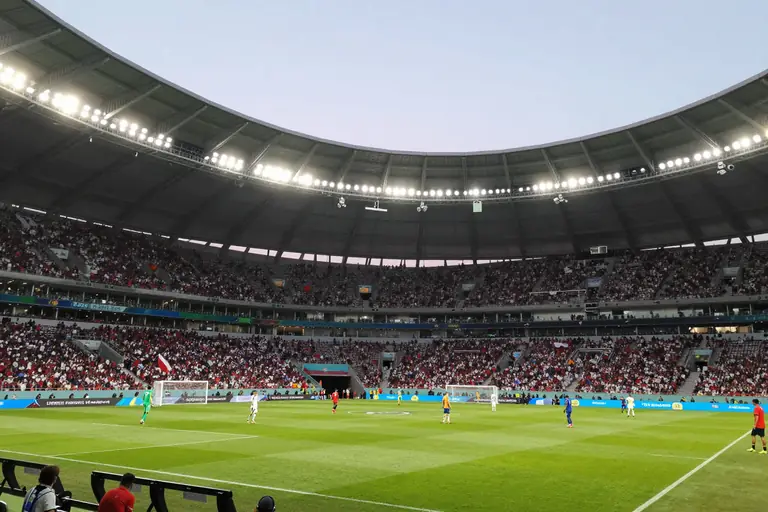
The excitement surrounding the FIFA World Cup is palpable, even in the qualification stages. National teams across the globe are deep into their preparations, with coaches meticulously crafting their squads and refining their strategies. This period is always a whirlwind of activity, marked by intense competition, unexpected twists, and the emergence of new footballing heroes. From squad selections to injury crises, every decision and development can significantly impact a nation’s journey towards the ultimate footballing prize. Our roundup aims to bring you the most crucial updates and insights as teams battle for their place on the world stage.
As the qualifying campaigns unfold across various confederations, the focus intensifies on player performance, tactical adjustments, and the sheer mental fortitude required to navigate such a demanding schedule. We’re witnessing a fascinating blend of experienced veterans vying for one last World Cup appearance and ambitious young talents eager to make their mark. The stakes couldn’t be higher, and every match, every training session, and every tactical tweak is geared towards achieving World Cup glory. Stay with us as we delve into the latest happenings from the world of national team football.
Latest Squad Updates and Injury Reports
The road to the next FIFA World Cup is heating up, and national teams are constantly evaluating their rosters. We’re seeing a lot of movement, especially with qualifiers underway across different confederations. Many coaches are balancing seasoned veterans with exciting young talents, looking for that perfect blend of experience and fresh energy. Injuries, as always, are a major concern, forcing managers to adapt and test their squad depth. For instance, several key players in the European qualifiers have recently picked up knocks, leading to unexpected call-ups and tactical adjustments. Keeping an eye on these developments is crucial, as they can significantly impact a team’s performance and prospects.
Key Player Absences and Their Impact
When a star player is sidelined, it’s never just about losing one individual. It often means a shift in the team’s entire dynamic. Take for example a country heavily reliant on a specific attacking midfielder; their absence might force the coach to switch from an offensive 4-3-3 to a more cautious 4-4-2 formation. This isn’t just speculation; we’ve seen it play out in recent qualification matches. Teams with strong bench depth tend to fare better in these situations, highlighting the importance of developing a broad pool of talent. Conversely, nations with fewer options might struggle to fill the void, potentially jeopardizing their qualification campaign. We regularly track these injury reports and assess their potential impact on upcoming games.
Emerging Talents Making Their Mark
It’s always thrilling to witness new faces break into the national team setup. The World Cup cycle is a prime opportunity for young players to prove their worth on the international stage. We’ve identified several exciting prospects across various continents who are not only getting call-ups but are also making significant contributions. These young guns bring pace, fearlessness, and often a different tactical dimension that can surprise opponents. Their emergence keeps the established players on their toes and fosters healthy competition within the squad. Their performances in domestic leagues are often a good indicator, but the pressure of international football is a different beast entirely.
Tactical Overviews and Coaching Strategies
Beyond individual players, the tactical approaches employed by national team coaches are always a hot topic. As the World Cup draws closer, teams are refining their systems, experimenting with formations, and analyzing opponents in meticulous detail. We’re observing a trend towards more flexible systems, with many teams comfortable switching between different shapes during a single match. The emphasis on high pressing and quick transitions remains prevalent, but there’s also a growing appreciation for solid defensive structures. Understanding these tactical nuances is key to appreciating the beautiful game at its highest level. For more in-depth insights, you can always refer to our coverage on FIFA World Cup Tactical Notes and Analysis.
Coaching philosophies play a pivotal role in shaping a team’s identity and performance. Some coaches are renowned for their attacking prowess, instilling a free-flowing, goal-scoring mentality, while others prioritize defensive solidity and tactical discipline. The challenge lies in adapting these philosophies to the unique strengths and weaknesses of the national squad, often with limited time together. The international break provides crucial opportunities for coaches to implement their vision, test new strategies, and build team cohesion. The tactical battles between national teams are as compelling as the individual player matchups, offering a chess match of wits and strategies on the pitch.
Defensive Fortresses vs. Attacking Prowess
Every national team has its own identity, often shaped by its footballing culture and the strengths of its players. Some teams are known for their impenetrable defenses, prioritizing clean sheets and relying on counter-attacks. Others are celebrated for their free-flowing, attacking football, aiming to outscore any opponent. The challenge for coaches is to strike the right balance. Can a team with a stellar attack shore up its defense when needed? Can a defensively sound team find enough goals to win crucial matches? These are the questions coaches grapple with constantly. Recent results suggest that teams capable of adapting their style based on the opponent and game situation tend to be the most successful.
Midfield Battles and Control of Play
The midfield is often considered the engine room of any football team, and national teams are no different. The battle for midfield supremacy can dictate the tempo and outcome of a match. Coaches are increasingly focusing on players who can not only win possession but also distribute the ball effectively, linking defense with attack. We’re seeing a variety of midfield setups, from holding midfielders providing protection to creative playmakers orchestrating attacks. The ability to control the midfield often translates to controlling the game, creating more scoring opportunities, and limiting the opponent’s chances.
Upcoming Qualifiers and Key Matchups
The qualification rounds are where national teams truly test their mettle. Each match is vital, with points often determining a team’s World Cup fate. We’re looking forward to several crucial matchups in the coming months that will undoubtedly shape the landscape of the tournament. These games are not just about securing points; they’re also about building momentum, gelling as a squad, and making a statement to rivals.
The intensity of World Cup qualifiers is unmatched. Every fixture carries immense weight, as national pride and aspirations hang in the balance. Fans eagerly anticipate these clashes, knowing that a single moment of brilliance or error can alter the course of a campaign. From continental derbies to David-vs-Goliath encounters, the qualification stages provide a rich tapestry of footballing drama. We’ll be keeping a close watch on these pivotal matches, providing analysis and predictions as the race to the World Cup heats up.
Road to Qualification: What’s at Stake
For many nations, the World Cup represents the pinnacle of sporting achievement. The qualification process is a grueling journey, demanding consistency, resilience, and a bit of luck. Teams are fighting for direct qualification spots, while others are aiming for playoff berths. The pressure is immense, and every point matters. A single draw or loss can significantly alter a team’s trajectory, making each fixture a must-watch event. We’ll continue to provide updates on how these qualification races unfold across all confederations.
Teams to Watch in the Qualification Rounds
Based on current form and squad strength, several national teams are emerging as strong contenders in their respective qualification groups. We’re keeping a close eye on nations that have shown consistent performance, tactical discipline, and a clear path to the World Cup. These teams often boast a mix of established stars and promising youngsters, creating a formidable unit. Their performances in the qualifiers will give us a strong indication of their potential impact at the main tournament.
FAQ
When will the next FIFA World Cup take place?
The next FIFA World Cup is scheduled for 2026, co-hosted by the United States, Canada, and Mexico.
How many teams will participate in the 2026 FIFA World Cup?
The 2026 FIFA World Cup will feature an expanded format with 48 national teams, a significant increase from the previous 32-team format.
How can I stay updated on national team news?
You can stay updated on national team news by following official FIFA channels, reputable sports news outlets, and our regular coverage which provides detailed insights and analysis.